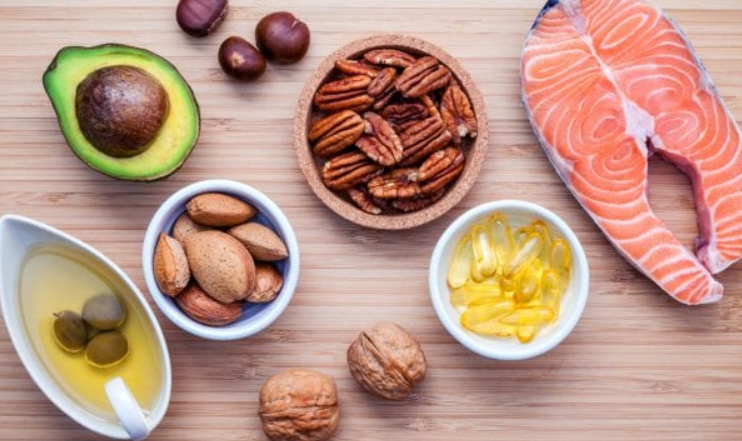
A healthy diet is not just about calories—it’s about the nutrients your body needs to function properly. Vitamins and minerals are essential nutrients that support growth, immunity, energy production, and overall well-being. Including a variety of foods rich in vitamins and minerals ensures that your body stays strong and healthy.
Healthy foods like fruits, vegetables, whole grains, dairy, lean meats, nuts, and seeds provide these essential nutrients. Each vitamin and mineral plays a unique role in maintaining physical and mental health.
Why Vitamins and Minerals Are Important
Vitamins and minerals are crucial for many bodily functions, including:
- Supporting Immunity – Vitamins like C and D, and minerals like zinc help fight infections.
- Maintaining Strong Bones – Calcium, vitamin D, and magnesium strengthen bones and teeth.
- Boosting Energy – B vitamins help convert food into energy efficiently.
- Improving Brain Function – Omega-3 fatty acids, iron, and iodine support cognitive abilities.
- Supporting Digestion – Fiber, magnesium, and potassium maintain gut health.
Without adequate vitamins and minerals, the body may experience fatigue, weak immunity, poor bone health, or slowed growth.
Essential Vitamins and Their Sources
- Vitamin A – Supports vision, skin health, and immunity. Sources: carrots, sweet potatoes, spinach, and pumpkin.
- Vitamin B Complex – Helps convert food into energy, supports the nervous system. Sources: whole grains, eggs, dairy, and legumes.
- Vitamin C – Boosts immunity, aids wound healing, and protects cells. Sources: oranges, strawberries, bell peppers, and broccoli.
- Vitamin D – Strengthens bones, supports immunity, and regulates mood. Sources: sunlight, fortified milk, fish, and eggs.
- Vitamin E – Protects cells, supports skin health, and boosts immunity. Sources: nuts, seeds, spinach, and avocado.
- Vitamin K – Helps blood clotting and bone health. Sources: leafy greens, broccoli, and cabbage.
Essential Minerals and Their Sources
- Calcium – Strengthens bones and teeth, supports muscle function. Sources: milk, yogurt, cheese, and leafy greens.
- Iron – Supports red blood cells and energy production. Sources: lean meat, lentils, beans, and spinach.
- Magnesium – Supports muscle function, nerve function, and energy production. Sources: nuts, seeds, whole grains, and leafy greens.
- Potassium – Maintains fluid balance, supports heart and muscle function. Sources: bananas, potatoes, beans, and oranges.
- Zinc – Boosts immunity, supports wound healing, and growth. Sources: meat, nuts, seeds, and legumes.
- Iodine – Supports thyroid function and metabolism. Sources: iodized salt, fish, dairy, and eggs.
How to Include Vitamins and Minerals in Your Diet
- Eat a Variety of Foods – Include fruits, vegetables, grains, proteins, and dairy.
- Prefer Whole Foods Over Processed – Natural foods contain more nutrients and fewer additives.
- Snack on Nuts and Fruits – These are nutrient-rich options for energy and immunity.
- Cook Smart – Steaming or lightly cooking vegetables preserves vitamins.
- Supplement When Needed – Only under professional guidance, supplements can help fill gaps.
Benefits of Adequate Vitamins and Minerals
Getting enough vitamins and minerals improves physical and mental health. Benefits include:
- Increased energy and reduced fatigue
- Stronger bones and teeth
- Better immune system and disease prevention
- Improved brain function and mood
- Healthy skin, hair, and nails
Consuming a balanced diet ensures long-term health and prevents nutrient deficiencies.
Conclusion
Vitamins and minerals are essential for overall health, supporting everything from immunity to energy production and bone strength. A balanced diet with fruits, vegetables, whole grains, dairy, lean proteins, nuts, and seeds provides these vital nutrients naturally. By including a variety of nutrient-rich foods every day, you can improve energy, strengthen immunity, support mental function, and maintain overall well-being. Healthy eating is not just about filling the stomach—it’s about nourishing the body with the essential vitamins and minerals it needs to thrive.