A healthy heart is essential for overall well-being. Heart disease is one of the leading causes of illness and death worldwide, but making smart food choices can protect the heart and improve cardiovascular health. Eating nutrient-rich foods helps maintain healthy blood pressure, cholesterol levels, and overall heart function.
Healthy foods such as fruits, vegetables, whole grains, nuts, seeds, and fatty fish provide vitamins, minerals, fiber, and healthy fats that strengthen the heart and reduce the risk of heart-related problems.
Why Heart Health Matters
The heart pumps blood and oxygen to all parts of the body. Poor heart health can lead to serious conditions such as high blood pressure, heart attack, and stroke. Maintaining a balanced diet, exercising regularly, and avoiding harmful habits are key to supporting heart function and long-term health.
A diet rich in heart-healthy foods helps reduce inflammation, lower cholesterol, and improve circulation.
Foods That Naturally Support Heart Health
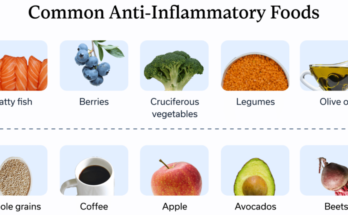
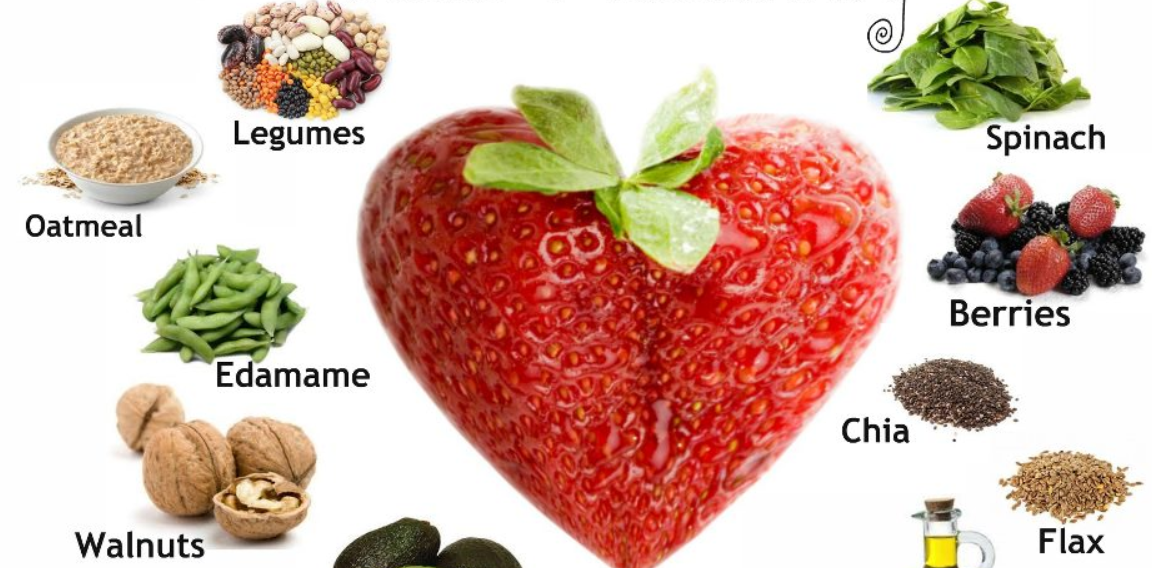
- Fruits – Berries, oranges, apples, and grapes are rich in antioxidants, fiber, and vitamins that help reduce blood pressure and protect arteries.
- Vegetables – Leafy greens, broccoli, carrots, and bell peppers provide vitamins, minerals, and fiber to support cardiovascular health.
- Whole Grains – Oats, brown rice, quinoa, and whole wheat are high in fiber, which helps lower cholesterol and improve heart function.
- Nuts and Seeds – Almonds, walnuts, chia seeds, and flaxseeds provide healthy fats, protein, and omega-3s that strengthen the heart.
- Fatty Fish – Salmon, mackerel, sardines, and tuna are rich in omega-3 fatty acids, which reduce inflammation and lower the risk of heart disease.
- Legumes – Beans, lentils, and chickpeas are high in protein, fiber, and minerals that support heart health.
- Olive Oil – A healthy fat that reduces cholesterol and inflammation. Use it instead of butter or other unhealthy oils.
- Dark Chocolate (in moderation) – Contains antioxidants that may help lower blood pressure and support heart health.
Including a variety of these foods in daily meals strengthens the heart and promotes overall well-being.
Tips for a Heart-Healthy Diet
- Limit Processed and Fried Foods – These often contain unhealthy fats and salt that can damage the heart.
- Reduce Sugar Intake – Excess sugar can lead to obesity, diabetes, and increased heart disease risk.
- Eat More Fiber – Fiber helps control cholesterol and supports healthy blood pressure.
- Include Healthy Fats – Omega-3 fatty acids and unsaturated fats protect the heart.
- Stay Hydrated – Water supports circulation, digestion, and heart function.
- Exercise Regularly – Physical activity complements a heart-healthy diet by strengthening the cardiovascular system.
Benefits of Heart-Healthy Foods
Eating heart-friendly foods provides multiple benefits:
- Reduces the risk of heart disease and stroke
- Lowers cholesterol and blood pressure
- Supports weight management and energy levels
- Improves circulation and oxygen flow
- Promotes long-term cardiovascular health
Healthy eating combined with a balanced lifestyle helps maintain a strong and efficient heart.
Long-Term Impact
Consistently eating heart-healthy foods helps prevent chronic heart conditions, supports daily energy, and improves overall quality of life. Incorporating fruits, vegetables, whole grains, nuts, seeds, and fatty fish into daily meals ensures long-term cardiovascular protection and supports other aspects of health, including immunity, digestion, and mental clarity.
Conclusion
Foods that improve heart health naturally are essential for maintaining a strong and functional cardiovascular system. Fruits, vegetables, whole grains, nuts, seeds, fatty fish, legumes, and olive oil provide essential nutrients that reduce inflammation, lower cholesterol, and support healthy blood pressure. Combining these foods with regular exercise, hydration, and limiting unhealthy fats and sugars promotes long-term heart health. Choosing heart-healthy foods is not just a diet—it’s a lifestyle that protects the heart, improves energy, and ensures overall well-being for years to come.