Inflammation is a natural response of the body that helps fight infections and heal injuries. However, long-term or chronic inflammation can lead to serious health problems such as heart disease, diabetes, joint pain, and digestive issues. One of the most effective and natural ways to reduce inflammation is through the food we eat.
A healthy diet rich in fruits, vegetables, whole grains, healthy fats, and antioxidants helps calm inflammation and supports overall health. Avoiding processed foods and choosing natural ingredients can make a big difference in how the body feels and functions.
Understanding Inflammation
Inflammation can be divided into two types:
- Acute inflammation – Short-term and helpful, such as swelling after an injury.
- Chronic inflammation – Long-term and harmful, often caused by poor diet, stress, lack of exercise, or unhealthy lifestyle habits.
Food plays a major role in controlling chronic inflammation. Certain foods reduce inflammation, while others increase it.
Foods That Help Reduce Inflammation
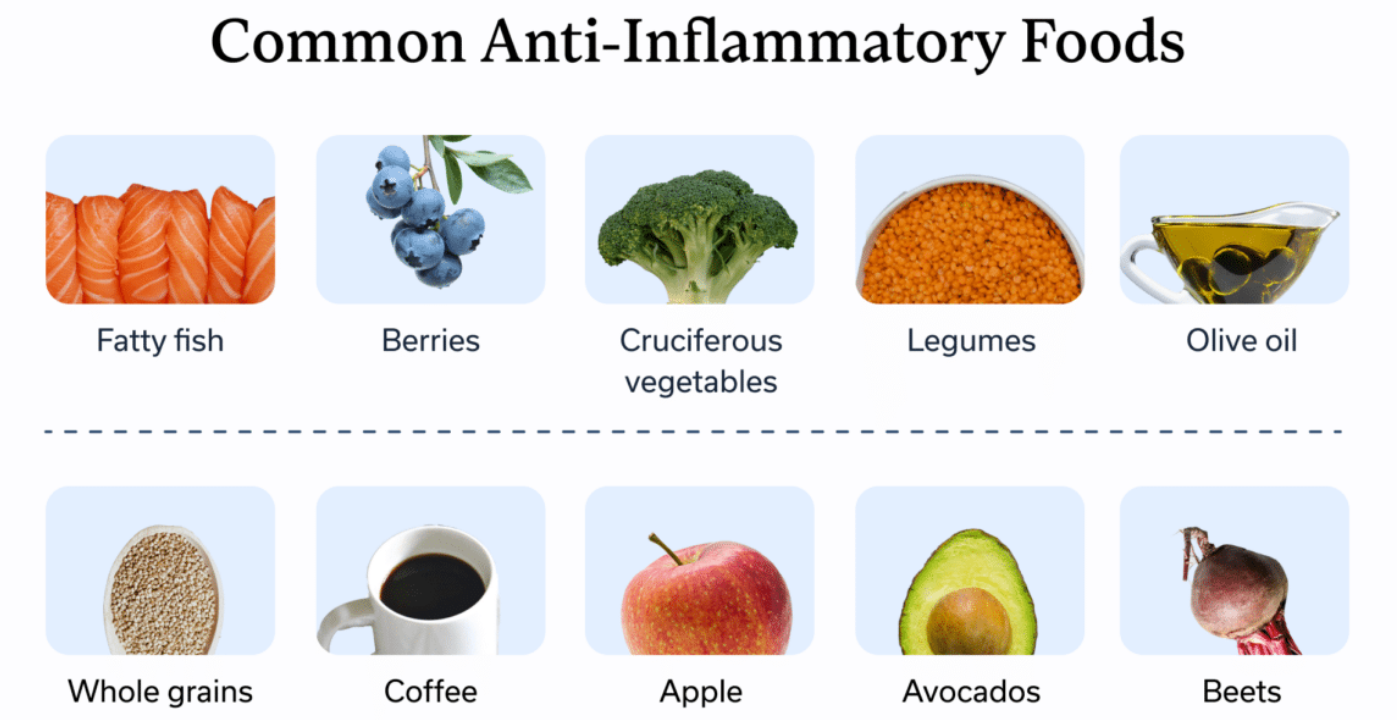
- Fruits – Berries, oranges, apples, and grapes are rich in antioxidants that fight inflammation and protect cells from damage.
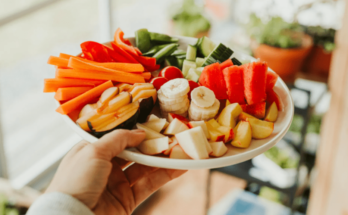
- Vegetables – Leafy greens, broccoli, tomatoes, carrots, and bell peppers contain vitamins and compounds that reduce inflammatory markers.
- Fatty Fish – Salmon, sardines, and mackerel are rich in omega-3 fatty acids, which are known to lower inflammation in the body.
- Nuts and Seeds – Almonds, walnuts, flaxseeds, and chia seeds provide healthy fats and antioxidants that reduce inflammation.
- Whole Grains – Brown rice, oats, quinoa, and whole wheat contain fiber that supports digestion and reduces inflammation.
- Olive Oil – A healthy fat that helps lower inflammation and supports heart health.
- Spices and Herbs – Turmeric, ginger, garlic, and cinnamon have natural anti-inflammatory properties.
- Green Tea – Rich in antioxidants that help reduce inflammation and support overall health.
Including these foods regularly can help the body manage inflammation naturally and effectively.
Foods That Increase Inflammation
To reduce inflammation, it’s also important to limit foods that trigger it:
- Processed and packaged foods
- Sugary snacks and drinks
- Fried and fast food
- Refined carbohydrates like white bread
- Excess red and processed meat
Reducing these foods helps lower inflammation and improves overall health.
Benefits of an Anti-Inflammatory Diet
Following an anti-inflammatory diet provides many benefits:
- Reduced joint and muscle pain
- Improved digestion and gut health
- Better heart health and circulation
- Stronger immune system
- Improved energy levels
- Lower risk of chronic diseases
Over time, these benefits lead to better physical and mental well-being.
Tips to Follow an Anti-Inflammatory Diet
- Eat Whole Foods – Choose fresh, natural foods over processed options.
- Add More Vegetables – Include vegetables in every meal for fiber and antioxidants.
- Use Healthy Fats – Replace butter and unhealthy oils with olive oil and nuts.
- Stay Hydrated – Drinking enough water helps flush toxins and reduce inflammation.
- Cook at Home – Home-cooked meals allow better control of ingredients and portions.
- Be Consistent – Small daily changes lead to long-term results.
Lifestyle Habits That Support Inflammation Reduction
Food works best when combined with healthy habits:
- Regular physical activity
- Quality sleep
- Stress management
- Avoiding smoking and excess alcohol
Together, these habits help the body recover, repair, and stay balanced.
Conclusion
Reducing inflammation naturally with food is a powerful way to improve health and prevent chronic diseases. Fruits, vegetables, fatty fish, nuts, seeds, whole grains, olive oil, and anti-inflammatory spices help calm the body and protect it from damage. Avoiding processed foods, sugar, and unhealthy fats further supports this process. By adopting an anti-inflammatory diet and healthy lifestyle habits, people can reduce pain, boost energy, improve immunity, and enjoy a healthier and more active life. Food is not just fuel—it is a natural tool for healing and long-term wellness.